Home
This website talks about how logging affects indigenous peoples, environment, construction and economy in small towns and big city’s.
The information in this website is manly centred around Golden B.C and the surrounding area.
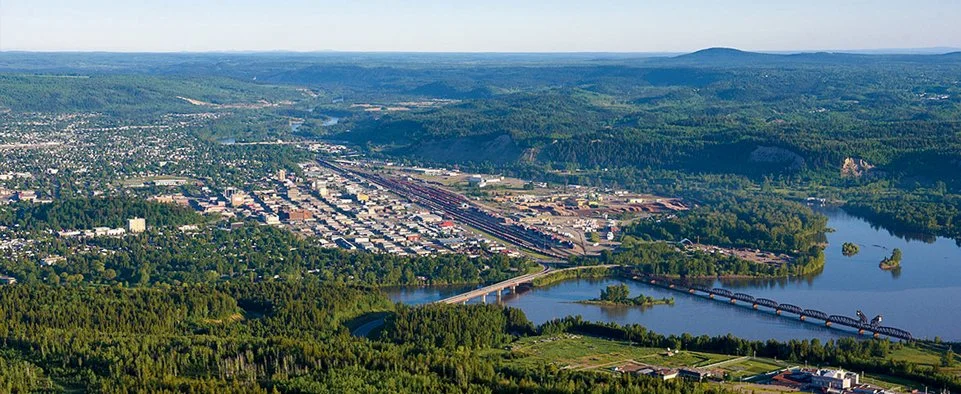
Prince George, BC
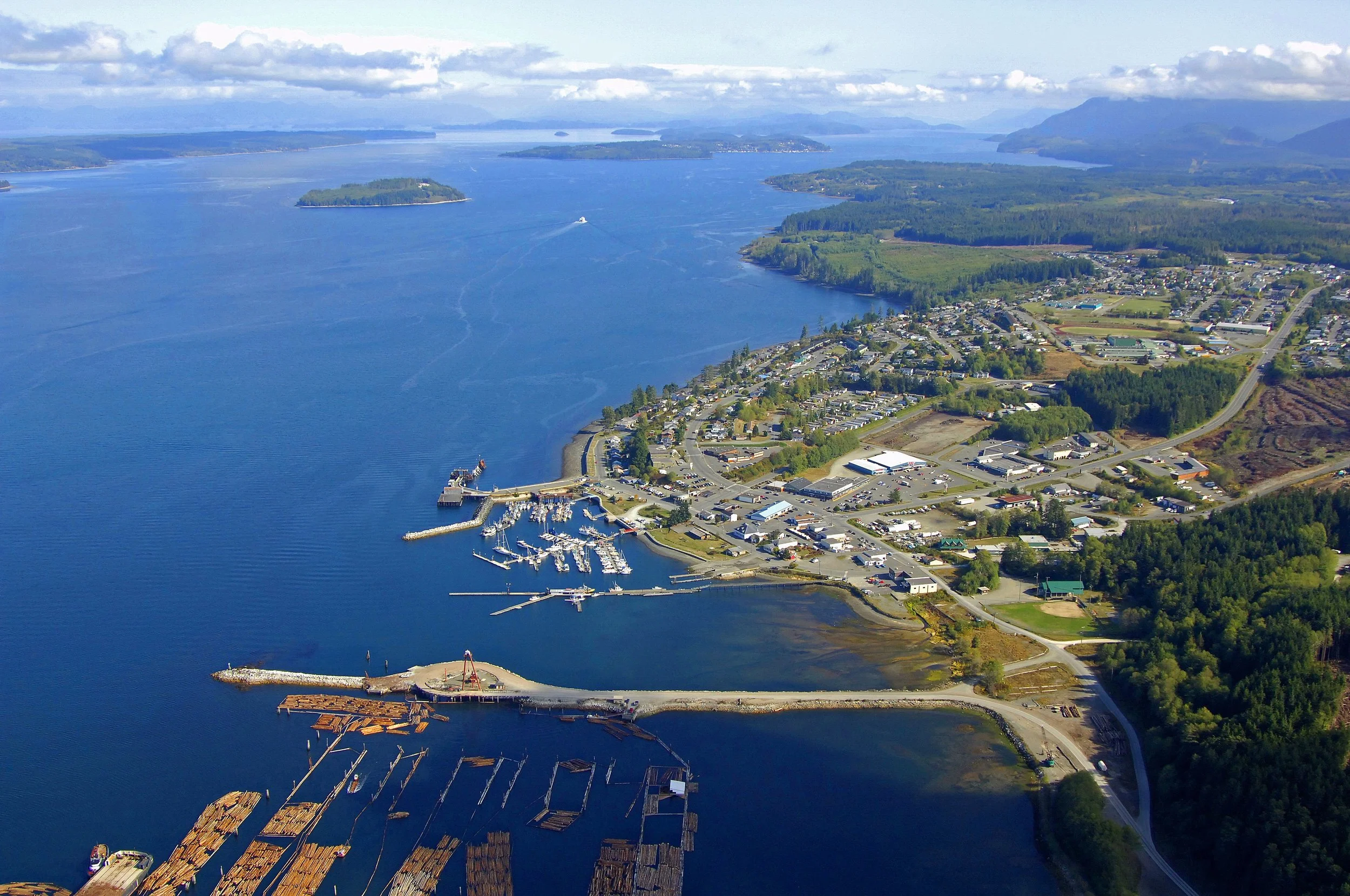
Port McNeil, BC
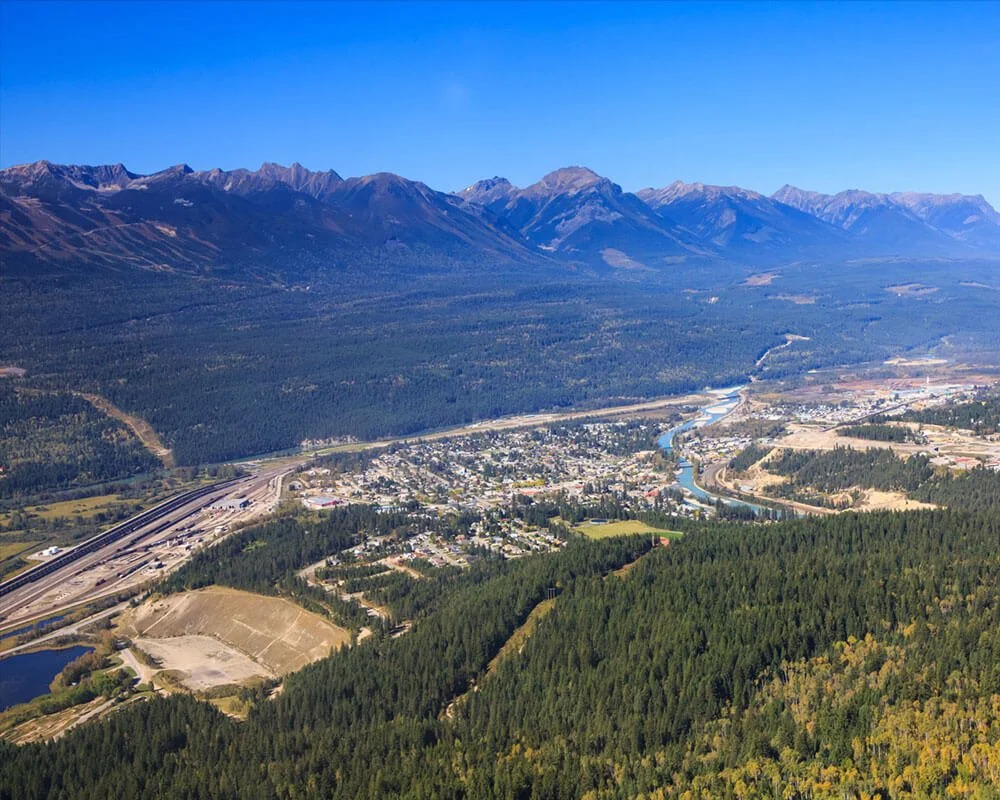
Some of the more well-known logging towns are Campbell River, Port McNeill, Prince George and Golden. What makes these towns so recognizable as logging towns is their long-standing history with logging.
Golden, BC
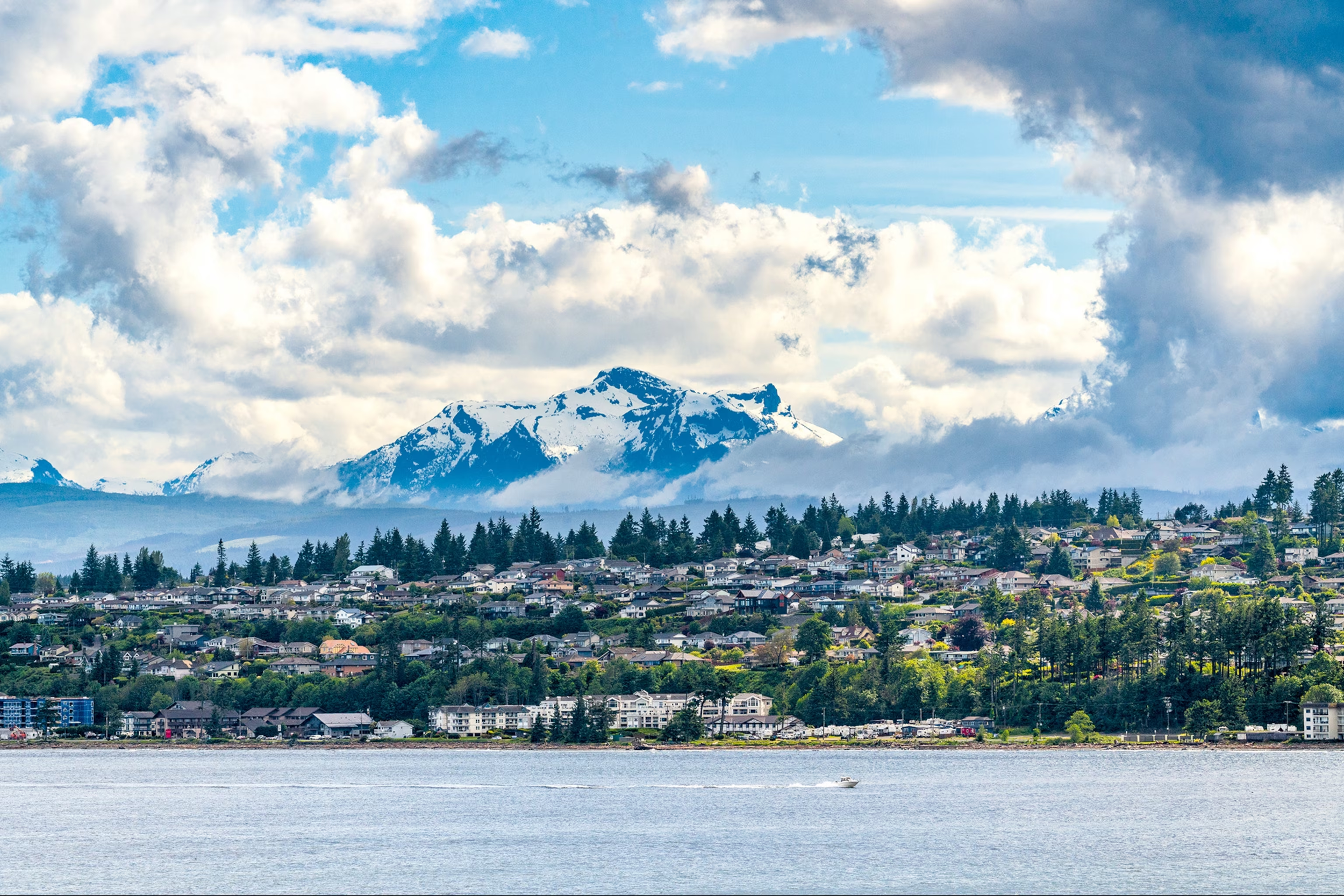
Campbell River, BC
Economy
In the town of Golden, B.C., the main sources of income are the railroad, tourism and logging. Although people may not want to admit it, logging is the largest provider, due to the numerous, well paying, jobs it creates. If logging were to disappear, the town would suffer greatly. The town would lose many of its citizens due to the job loss. In 2022, the industry contributed $33.4 billion to the nominal GDP, which was 1.2% of the country’s total GDP. In BC, forestry contributed $17.4 billion to BC’s GDP each year. 24% of all exports in BC come from forestry; until recently, it was the province’s #1 export. The forestry sector supports $9 billion in wages, salaries, and benefits for British Columbians.
They’re closing down the textile mill across the railroad tracks Foreman says “These jobs are going, boys, and they ain’t coming back” (My Hometown by Bruce Springsteen)
In Golden, BC, the mill employs 400-425 people when it’s running at full capacity and countless others in supporting industries. This means if forestry were to disappear, well over 425 people would be out of a job. That’s volunteers in search and rescue, coaches in kids sports, volunteer fire fighters; these are not faceless workers, they are members of this community that are helping to make this community a stable and welcoming community. Pacific Woodtech also sponsors clubs in town, so if they leave, that puts a strain on fundraising for these types of organizations. Pacific Woodtech brings over $80 million in direct economic impact to the town. The forest industry also builds logging roads which ultimately provide access into remote valleys with spectacular views and recreational opportunities. Examples of this access includes the famous Gorman Lake hiking area, Lussier hotsprings, Dewar hotsprings, Quartz Creek snowmobile area, Heather Mountain ski touring area, Mummery Glacier hike. Imagine for a moment all your favourite areas to hike, fish, ski, hunt completely inaccessible, it would be a different town to live in if that happened. These roads are free for the public to use. In addition to the public recreation many backcountry lodges such as catskiing lodges, ski touring lodges all rely on logging road systems to help support the operations of their business. If the forest industry were to disapear many road system would be decommissioned thus ending backcountry access.. Logging also provides other community public benefits such as the capacity to create emergency fireguards during wildfire events that threaten communities. During the Dogtooth fire in 2024, you could see the fire from town and for a few stressful days many folks were unsure if the Town of Golden was going to survive this fire. A key component of stopping the spread towards the Town was a large fireguard that was built entirely by forest industry workers and their machines. If logging weren’t a thing in town, it is possible we could have ended up like Jasper, AB in 2024 with 1/3 of the town burned to the ground.
Construction
The logging industry is one of the most essential natural resources sectors in Canada primarily due to the almost exclusive reliance on wood products by the building construction industry. Almost all single family and increasingly multi-family buildings are built out of wood products. As material technology improves along with new methods and modern engineering designs larger multi-storey buildings are being constructed using wood products instead of structural concrete and steel.
Two aspects to be considered when it comes to the construction industry and wood products are: 1) wood products result in less greenhouse gas emissions than competing structural materials, 2) wood products are less expensive to build and our national housing industry is set up to build with wood products. There is a widely acknowledged housing crisis in Canada, federal and provincial governments across the country are speaking of building more housing for less cost; there is no way to meet the goals these various governments speak about without wood construction products.
Why is the construction industry so tied to the forest industry: nearly 40% of Canada’s landmass is covered by forests and access to that timber is relatively easy.
Canada is well-renowned at the international level for its stringent environmental forest management practices. Are there areas in this forest management that need improvement? Absolutely. British Columbia in particular is know for it’s forest industry legislation which is widely acknowledged as the strictest logging legislation in North America and almost all of the world. What can be improved in the BC forest industry legislation? Better long term planning and stewardship of the forest landscape, reforming the system in which companies get access to public land. Currently almost all logging done on public land in BC is done by logging the oldest trees first, it is also based on agreements with the Province that companies will log a set amount of logs each year and that number is almost always based on very flawed, and old forest information. Unfortunately because of the nature of these license agreements with the Province companies and their foresters won’t do much in terms of helping to grow the new forests beyond planting and brushing the new seedlings for the first few years. This is unfortunate as there are many things that foresters can do to help grow new forests quicker
While foresters have been limited in what innovations they can do with growing trees the mills and plants that transform trees into modern construction materials has continued to innovate. Mass timber, including its cousin cross-laminated timber (CLT)., laminated veneer lumber (LVL) and glue-laminated beams (glulam), are some of the most exciting developments in Canada's building sector. Such engineered wood materials mean that timber buildings at mid-/high-rise levels can stand taller and stronger and with new coatings and glue are more fire-resistant compared to previous eras. Many provinces, including British Columbia, Ontario and Quebec, are pioneers in mass-timber construction.
Environment
Parks Canada in Western Canada has a long history of wildfire mismanagement; despite fire being a natural, and essential ingredient to healthy forest ecosystems, Parks Canada actively suppressed fires until very recently. Parks Canada has many parks that are popular tourist destinations, and tourists don’t like to see hillsides of burnt forests or indications of logging, the end result was an unhealthy landscape of “even age” forests which for many western forests is quite unhealthy to the ecosystem and to the public in the event of a wildfire. Insect outbreaks, which are natural, were artificially enhanced with these vast landscapes of overmature forests with no breaks to stifle the insect outbreaks. Vast areas of forests were killed by beetle outbreaks and unfortunately a bad thunderstorm in the summer of 2024 started a fire in one of these dead forest areas which ultimately lead to large areas of Jasper burning down.
While there is ongoing debate on how much carbon is held inside forest products such as lumber it is a significant amount of carbon that is stored in structures and other objects. The new forests that are planted and left to grow have a higher carbon absorption rate than old forests so there is a, albeit small, net benefit to carbon absorption. Forestry has ways to mimic old forests by using selective cutting; with this method only mature and less healthy trees are cut creating forest stands that have similarities to mature forests. In selective cutting small clusters are removed, which mimics windthrow. Well-managed forests protect the land from degradation, preserve fertile soil, and reduce the risk of landslides. Forestry practices that emphasize replanting and careful harvesting ensure that soil remains stable and productive.
Indigenous Peoples
In the Golden B.C area, the indigenous peoples primarily included the Ktunaxa nation and the Secwepemc nation, among others. the following is an example.
Collaborative Forestry Agreements: The Ktunaxa have been involved in negotiations and agreements with forestry companies and the provincial government to ensure forest management respects their cultural and environmental values. These agreements sometimes include provisions for Indigenous employment, consultation, and involvement in planning.
Although forestry has brought challenges to the indigenous community's it has also brought opportunities to indigenous peoples some including.
Employment Opportunities: Forestry operations have provided jobs for some Indigenous people in the region. These jobs range from logging and mill work to roles in forest management and environmental monitoring.
Economic Development: Forestry-related activities have enabled some Indigenous communities to develop businesses and partnerships within the sector. This has contributed to local economic growth and increased financial resources for community programs.
Capacity Building: Participation in forestry projects has helped Indigenous individuals and groups build skills in areas such as sustainable forest management, environmental assessment, and resource planning.
Collaborative Management: There have been instances of collaborative stewardship and co-management agreements between Indigenous communities and forestry companies or government agencies. These partnerships allow Indigenous voices to be included in decision-making processes affecting their traditional territories.
Cultural Revitalization: Some forestry projects incorporate Indigenous traditional knowledge and practices, helping to strengthen cultural connections to the land and promote sustainable resource use aligned with Indigenous values.
However, it’s important to note that forestry has also posed challenges to Indigenous communities, including impacts on traditional land use, environmental concerns, and disputes over land rights. Many Indigenous groups continue to advocate for greater control over forestry activities to ensure that development aligns with their cultural, economic, and environmental priorities.
Who we are and what is our goal
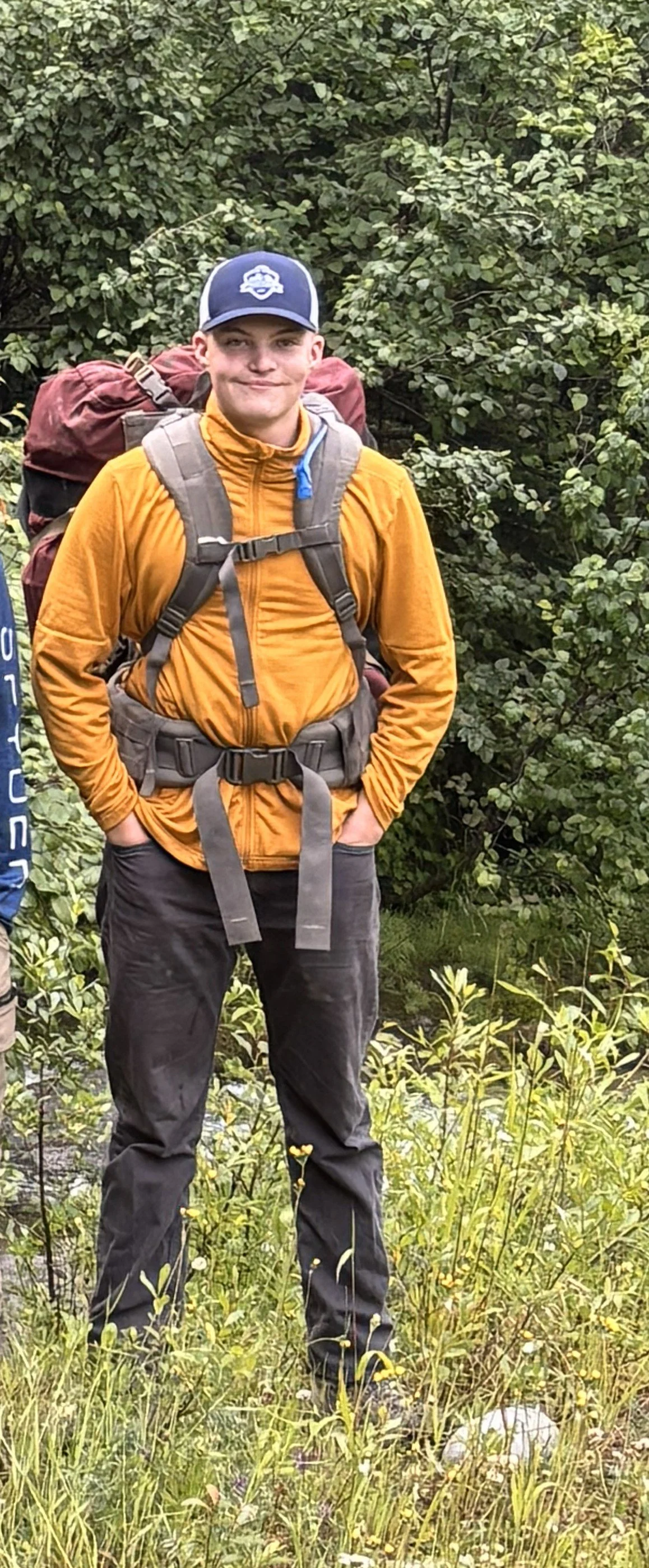
My name is Malcolm, I am a 12th-grade student, and this website is my capstone project. When I was brainstorming my project, it came to my attention that there is quite a bit of misinformation about the logging industry in the Golden area. My goal with this project is to educate people on some important aspects of the logging industry and hopefully change the way people think about and view logging.
Vision Statement: To create a website where everyone can access accurate and knowledgeable information about the logging industry and its practices.
References:
I also consulted my mentor with 26 years of experience in the forestry industry.